
Networks Built to Support Streaming and Automation
Home Network Optimization & Smart WiFi in Smyrna for households with buffering, weak signal areas, and growing connected device demands
City home theater builds reliable home networks that eliminate buffering and connectivity issues across Smyrna properties where streaming, automation, and bandwidth-intensive applications require consistent performance. When you're running 4K or 8K streaming alongside smart home devices, security cameras, and connected appliances, your network infrastructure determines whether those systems function seamlessly or compete for unstable bandwidth. You'll notice the difference most during peak usage times when multiple devices attempt simultaneous high-demand connections.
Network optimization addresses modem, router, and wireless access point configurations while installing hardwired network drops where maximum speed and stability matter most. Weak signal zones often result from outdated router placement, interference from neighboring networks, or building materials that block wireless signals between floors or across long room spans.
Schedule a network assessment to identify specific connectivity concerns affecting your current system.
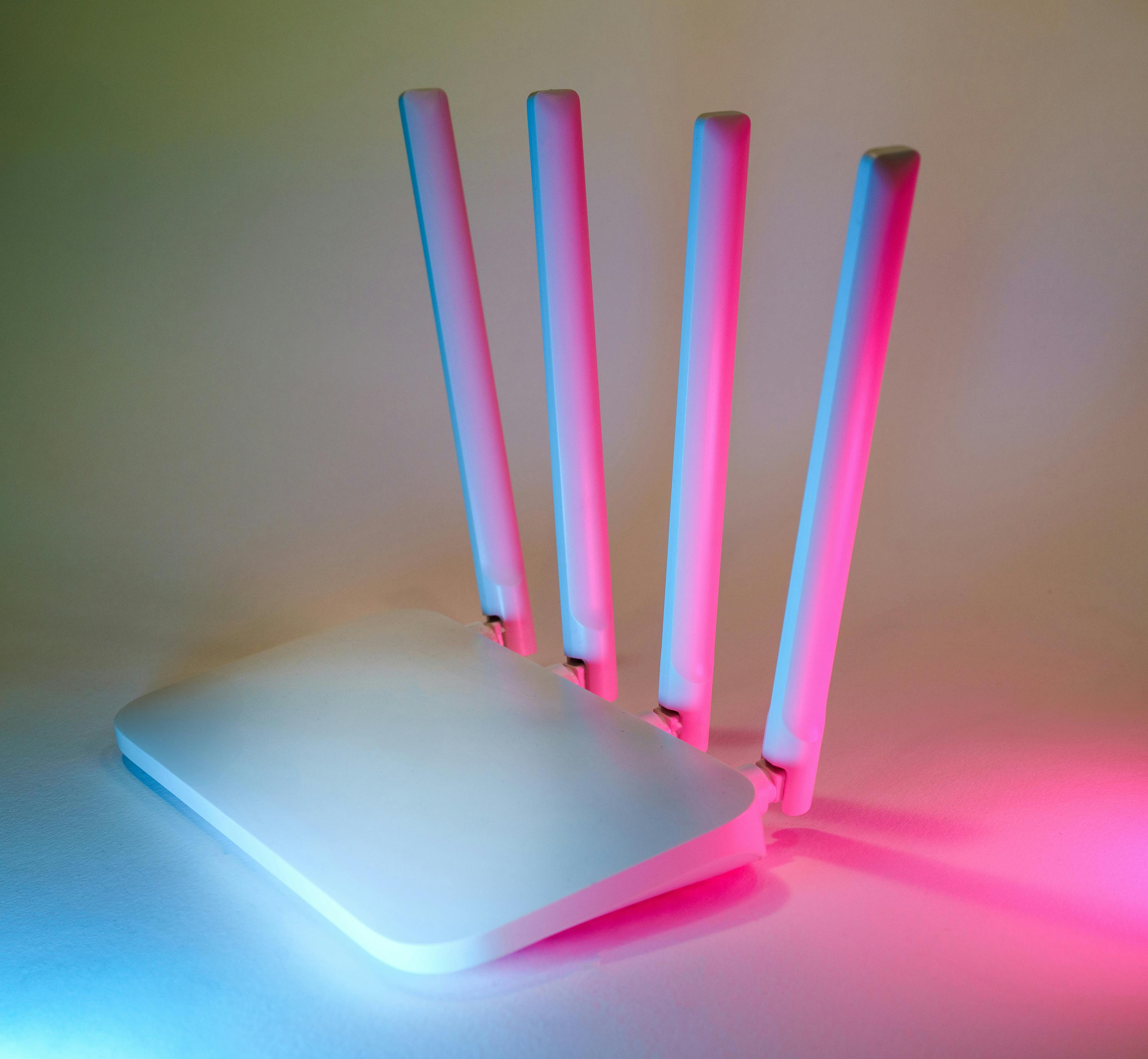
What Proper Network Infrastructure Provides
Optimized network configurations start with evaluating your existing modem and router capabilities against actual bandwidth requirements, then positioning wireless access points to eliminate dead zones created by construction materials like brick, concrete, or metal framing. Hardwired drops are installed in locations where devices like gaming consoles, streaming equipment, or networked media servers benefit from direct ethernet connections that bypass wireless congestion entirely.
Once the network infrastructure is properly configured, you'll notice that 4K streams load instantly without buffering mid-scene, video calls maintain stable connections without pixelation or dropped audio, and smart home commands execute without the delayed response that indicates network latency. City home theater structures these improvements around your actual device usage patterns rather than generic speed upgrades that don't address the underlying coverage and capacity limitations.
The assessment process includes testing signal strength throughout your home, identifying bandwidth bottlenecks during simultaneous device usage, and determining whether your current equipment can support the network load or requires replacement. Recommendations account for future expansion as smart home ecosystems grow and streaming resolution standards increase beyond current 4K requirements.
Questions Homeowners Ask About Network Performance
Connectivity issues affect streaming quality, smart home reliability, and overall device performance in ways that aren't always immediately obvious until you're experiencing buffering during critical moments or devices that randomly disconnect.
What causes weak signal areas in certain rooms?
Building materials like brick exterior walls, metal ductwork, and concrete floors block wireless signals more effectively than drywall, creating dead zones that require strategically placed access points or hardwired drops to overcome.
How does hardwired installation differ from wireless optimization?
Hardwired network drops provide dedicated bandwidth directly to high-demand devices through ethernet cables run through walls or attics, eliminating the interference and congestion that affect wireless connections when multiple devices compete for the same wireless channels.
When should you upgrade router equipment versus optimizing placement?
Routers older than three to four years often lack the processing power to manage modern device counts and bandwidth demands, but even new equipment fails to perform if positioned in basements, closets, or corners where signals can't reach primary usage areas.
Why do connectivity issues worsen as you add smart home devices?
Each connected device consumes network bandwidth and requires communication with your router, and once you exceed your equipment's capacity to manage simultaneous connections, performance degrades across all devices rather than affecting only the newest additions.
What changes immediately after network optimization?
Streaming services load content within seconds rather than buffering repeatedly, smart home commands execute without noticeable delay, and video calls maintain consistent quality without the pixelation or frozen screens that indicate insufficient bandwidth reaching the device.
City home theater evaluates your current network performance against your actual device usage and streaming demands, then structures improvements around measurable connectivity outcomes. If you're experiencing buffering, weak signal zones, or devices that disconnect randomly, request a detailed network evaluation to identify specific infrastructure limitations.