Single Remotes That Replace Device Clutter
Smart Home Automation & Control Systems in Smyrna for homeowners tired of juggling multiple remotes and disconnected entertainment apps
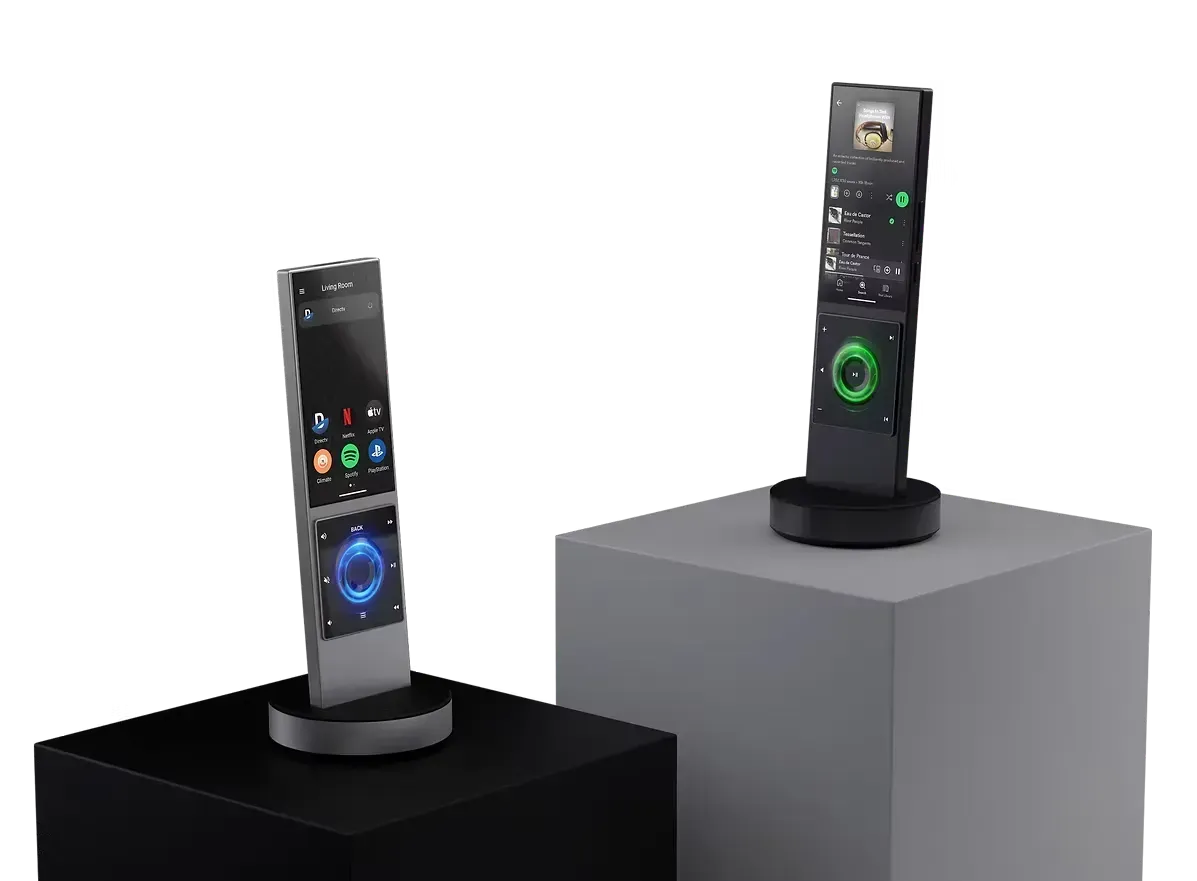
Most living rooms accumulate separate remotes for the television, sound system, streaming box, cable receiver, and disc player, creating confusion when family members can't remember which device controls volume and which switches inputs, but consolidated control systems eliminate this clutter. City home theater programs universal remotes and advanced automation platforms across Metro Atlanta that simplify operation by consolidating audio, video, lighting, and entertainment controls into a single user experience you manage from one remote or mobile application. Switching between streaming services, devices, and entertainment sources happens through labeled buttons that execute multiple commands automatically rather than forcing you to manually power on components in the correct sequence and navigate through input menus.
The programming process customizes automation settings around your preferences and daily routines so the system performs repetitive tasks without manual intervention. Movie night modes dim lights, close motorized shades, switch the receiver to the correct input, and power on the projector with a single button press, while morning routines can automatically start news channels and adjust lighting levels based on time of day.
Discuss automation goals during initial project planning so system configuration addresses how your household actually uses entertainment equipment.
What Proper Control Integration Requires
Automation systems integrate existing equipment whenever possible to maximize value and usability instead of requiring complete replacements of functional components. The process maps communication protocols for each device to determine whether infrared, network control, or serial connections provide the most reliable operation, then configures centralized controllers that communicate with every component simultaneously rather than sequencing commands that sometimes execute out of order and leave systems in incorrect states.
Once programming finishes, you operate complex multi-component entertainment systems without technical knowledge or troubleshooting skills because automated sequences handle power-on timing, input switching, and volume coordination behind the interface. Guests and family members use clearly labeled controls without training since custom button layouts describe functions in plain language rather than cryptic abbreviations and manufacturer-specific terminology.
City home theater reduces clutter caused by scattered remotes, incompatible apps, and disconnected control systems that force you to switch between multiple interfaces depending on which device needs adjustment. The programmed system remembers which components require power to accept commands, applies volume limits that prevent accidental damage to speakers from excessive levels, and includes discrete off commands that fully shut down equipment instead of leaving devices in standby modes consuming unnecessary power.
Frequent Control System Questions
Homeowners throughout Smyrna need clarity about system capabilities, compatibility requirements, and long-term maintenance before implementing automation solutions for entertainment equipment.
How does automation handle equipment from different manufacturers?
Universal control systems communicate with devices using infrared signals, IP network commands, or serial protocols depending on what each component supports, allowing integration of televisions, receivers, streaming boxes, and disc players regardless of brand without requiring proprietary ecosystems.
What happens when streaming services update their interfaces?
Network-connected streaming devices update automatically without affecting control system programming since commands target power, input, and navigation functions that remain consistent even when on-screen menus change appearance.
Why do some homes need advanced platforms instead of basic remotes?
Properties with distributed audio, multiple entertainment zones, motorized shades, lighting control, and complex component configurations benefit from programmable systems that execute sequences involving dozens of commands, while single-room setups often function adequately with simpler universal remotes.
When should homeowners integrate lighting with entertainment controls?
Combining lighting and audio-video automation makes sense when you want automatic dimming during movie playback, scheduled lighting changes based on time of day, or scene presets that coordinate multiple systems, though purely entertainment-focused projects can function without lighting integration.
What maintenance do control systems require over time?
Systems need occasional software updates when manufacturers release new firmware, reprogramming when you add or replace equipment, and battery changes in wireless remotes, but daily operation requires no technical intervention once initial configuration is complete.
City home theater simplifies complex entertainment environments so you spend time enjoying content instead of troubleshooting why devices won't power on or inputs won't switch correctly. Contact the company to evaluate your current equipment and identify which automation features would eliminate the specific frustrations you encounter when operating your home theater or audio system.