
Synchronized Music Control From Single Applications
Whole-Home Audio & Smart Sound Systems in Smyrna for properties where homeowners want distributed entertainment without managing multiple disconnected devices
Managing separate audio systems in different rooms creates frustration when you want the same playlist flowing from kitchen speakers during meal preparation, patio speakers during outdoor gatherings, and bedroom speakers before sleep, but distributed audio systems deliver synchronized music throughout the home while allowing independent volume control in each zone. The company installs these multi-room entertainment solutions across Metro Atlanta and specializes in residential Sonos speaker deployments that homeowners manage directly from user-friendly mobile applications without learning complicated control interfaces. This approach eliminates equipment racks filled with matrix switchers and amplifiers that require professional programming every time you add a streaming service or replace a failed component.
Installation planning identifies ideal speaker locations based on room usage patterns, furniture arrangements that affect sound coverage, and architectural features like vaulted ceilings that change acoustic performance. The process integrates indoor and outdoor listening zones into a single streamlined experience, so summer gatherings transition seamlessly from interior spaces to pool areas without switching between separate audio systems or adjusting multiple volume controls.
Schedule an audio consultation to map speaker locations before any construction or furniture placement limits installation options.
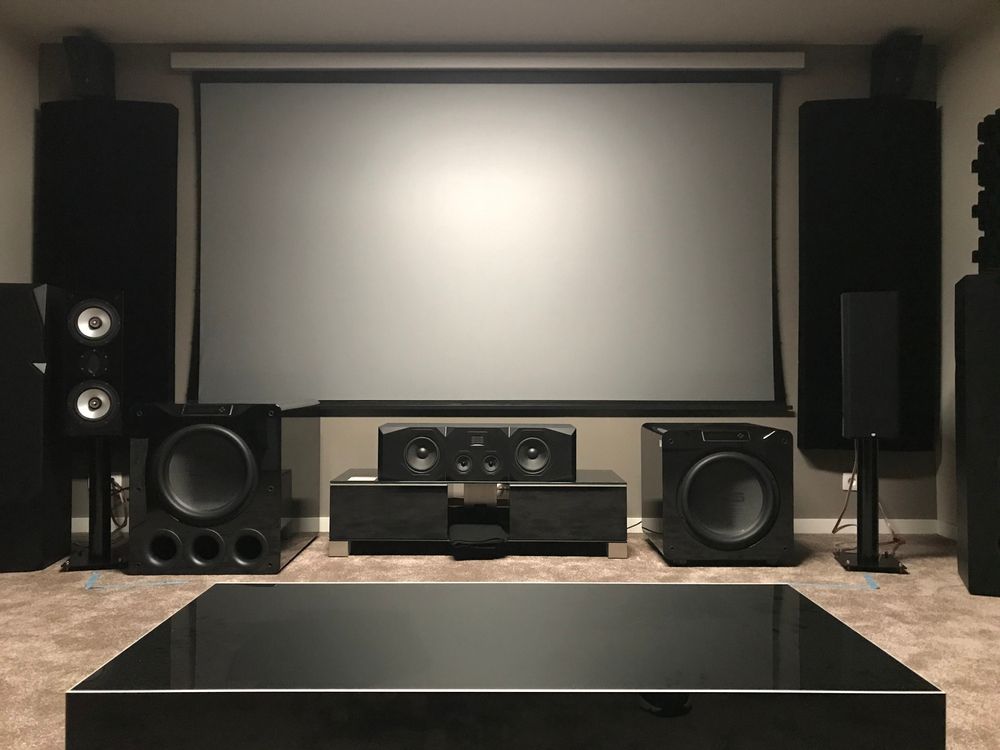
What Changes After System Integration Finishes
Whole-home audio creates customized plans based on how you actually use each space rather than installing identical speaker quantities in every room regardless of size or purpose. Kitchens receive moisture-resistant in-ceiling speakers positioned to overcome noise from appliances and conversation, while bedrooms get lower-profile models that provide enough volume for background music without overwhelming smaller square footage.
Once the system activates, you select music from any streaming service through a single application and choose which rooms receive audio without walking to each space and manually starting playback on individual devices. Morning routines can automatically start news podcasts in the bathroom while you prepare for work, then shift to energetic playlists in the kitchen during breakfast, all controlled from your phone. City home theater configures these automation settings around your lifestyle preferences and daily routines so the system adapts to your schedule instead of requiring constant manual adjustments.
The installation eliminates visible equipment clutter by mounting amplifiers and network components in utility closets or unfinished basement areas where ventilation prevents overheating but devices remain accessible for troubleshooting. Speaker grilles blend into ceilings and walls rather than dominating room aesthetics with bulky cabinets, while wireless connectivity reduces visible wiring compared to traditional distributed audio architectures that required home-run cables from every speaker location back to central equipment racks.
Common Questions About Distributed Audio
Homeowners in Smyrna frequently ask about system capabilities, installation logistics, and long-term usability before committing to whole-home audio projects.
How many audio zones does a typical home installation include?
Most residential projects create between four and eight zones covering primary living spaces, outdoor areas, and private rooms, though system architecture supports expanding to additional zones as needs change without replacing existing equipment or reconfiguring network settings.
What happens if wireless connectivity drops during playback?
Sonos systems buffer audio locally on each speaker so brief network interruptions don't cause playback to stop, while commercial-grade networking equipment installed during system setup provides stable connectivity that prevents the frequent dropouts common with consumer-grade routers.
Why do speaker locations matter for coverage quality?
Rooms with open floor plans require strategic placement to overcome dead zones where furniture blocks direct sound paths, while spaces with hard surfaces like tile and granite need positioning that minimizes harsh reflections, so the consultation process evaluates room acoustics before finalizing installation locations.
When should outdoor audio integration happen?
Planning outdoor zones before landscaping projects begin allows conduit installation that protects speaker wiring from irrigation damage and lawn maintenance equipment, while post-landscaping installations often require surface-mounted conduit or limited speaker placement options that compromise coverage.
What makes user-friendly systems different from complicated setups?
Simplified control eliminates programming requirements when you change streaming services or add new music sources, allows family members to operate the system without training, and reduces troubleshooting calls when interface updates change menu navigation.
City home theater configures systems so you manage playback, volume, and source selection independently without technical knowledge or complicated button sequences. Contact the team to evaluate your home layout and identify which rooms benefit most from integrated audio coverage based on how your household uses different spaces throughout the day.