
Entertainment Spaces That Maximize Basement Square Footage
Basement Home Theater Finishing & Construction in Smyrna for homeowners converting underutilized lower levels into functional viewing environments
Unfinished basements with exposed joists and concrete floors lack the acoustic control and comfortable environment that theater experiences require, but finishing work transforms these spaces into insulated rooms with proper ceiling height, controlled lighting, and infrastructure supporting equipment needs. City home theater converts both unfinished and already finished basements into fully functional entertainment environments by coordinating framing, sheetrock, plumbing when wet bars are involved, electrical work for dedicated circuits, and theater-specific infrastructure as part of comprehensive projects across Metro Atlanta. Designing spaces around viewing angles and seating layouts from the beginning prevents common mistakes like positioning the screen where support columns obstruct views or finishing ceilings so low that riser platforms leave back-row viewers hunched.
The construction process accounts for sound performance by installing insulation that prevents bass frequencies from vibrating through floors into rooms above, while electrical planning includes dedicated twenty-amp circuits that handle amplifier loads without tripping breakers during loud scenes. When construction is already underway with other contractors, the company seamlessly collaborates with existing builders to integrate theater infrastructure without delaying framing schedules or creating coordination conflicts.
Discuss construction plans early in the design process so framing decisions accommodate equipment locations and wiring paths.
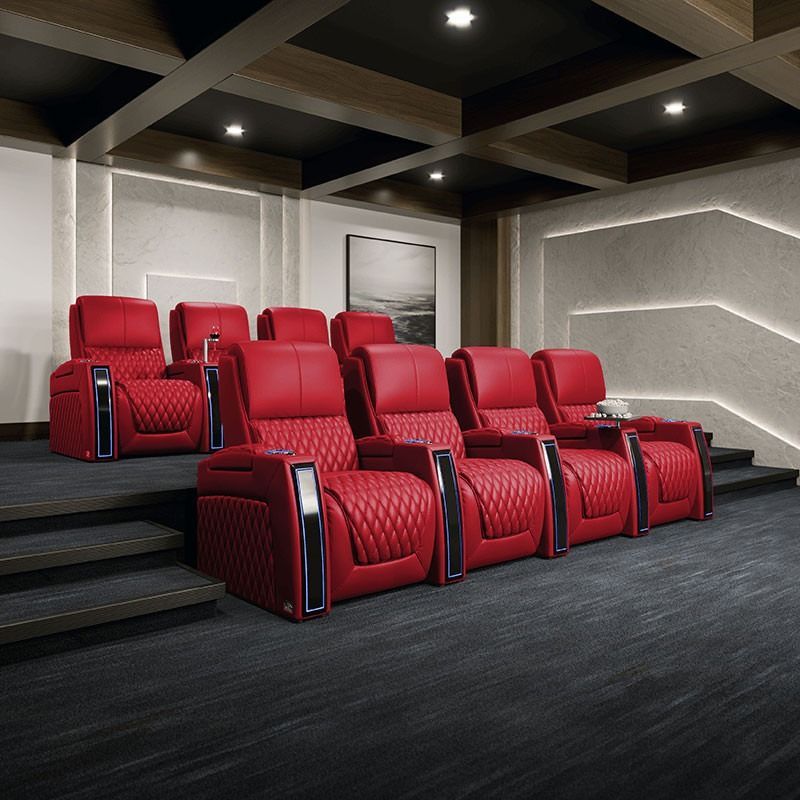
How Basement Conversions Address Space Limitations

The process begins by evaluating basement ceiling heights to determine whether existing joists allow standard eight-foot finished ceilings or require alternative framing approaches that preserve headroom. Moisture assessments identify whether foundation walls need waterproofing or vapor barriers before sheetrock installation, since damp conditions ruin finished surfaces and create environments where equipment fails prematurely from humidity exposure.
After construction completes, the basement functions as a dedicated theater with walls that contain sound instead of transmitting dialog into adjacent rooms, lighting circuits that operate independently from overhead fixtures, and equipment closets that organize components without consuming seating space. Finished HVAC integration maintains comfortable temperatures during extended viewing sessions, while properly installed electrical outlets position power access exactly where receivers and streaming devices mount rather than forcing extension cords across walkways.
City home theater provides access to trusted licensed crews when clients need full construction support from start to finish, ensuring compliance with building codes and inspection requirements. Projects maximize basement square footage while increasing enjoyment and functionality rather than leaving lower levels empty except for storage boxes and rarely used exercise equipment.
Answers Homeowners Need During Planning
Basement theater projects in Smyrna raise specific questions about construction scope, coordination logistics, and design integration that affect budgets and timelines.
What construction work does a basement theater require?
Projects typically include framing walls to define the theater space, running electrical circuits for equipment and lighting, installing sheetrock and insulation for sound control, finishing flooring suitable for seating installation, and creating ventilated equipment closets that keep components organized and accessible.
How does coordination work when builders are already involved?
The theater design team communicates equipment locations, wiring requirements, blocking needs for wall-mounted components, and electrical specifications directly to your contractor so infrastructure gets installed during framing rather than requiring wall demolition after finishes are complete.
Why does early planning improve basement theater outcomes?
Decisions about seating capacity determine room dimensions during framing, screen size selections influence wall positioning, and equipment choices affect electrical planning, so finalizing these details before construction starts prevents layout compromises that reduce viewing quality or force expensive change orders.
When should homeowners address moisture concerns?
Foundation waterproofing and vapor barrier installation must happen before any finishing work begins, since moisture infiltration after walls are closed creates mold conditions and ruins insulation, sheetrock, and flooring materials that become costly to replace.
What makes basement theaters different from upper-level installations?
Concrete floors simplify riser construction by providing solid bases that don't require structural reinforcement, while below-grade locations naturally isolate sound from outdoor noise, though lower ceiling heights sometimes limit projector mounting options compared to main-floor rooms.
Request a basement evaluation to identify construction requirements and layout possibilities before beginning any finishing work. City home theater designs spaces around viewing angles, seating layouts, sound performance, and future technology needs so completed projects function properly instead of requiring modifications after construction finishes.