
Displays Installed Where Viewing Angles Matter
Commercial TV Mounting & Installation in Smyrna for sports bars, restaurants, offices, and conference rooms requiring multiple screens
A sports bar with twelve mounted screens needs each display positioned so patrons at different tables see clear images without glare or neck strain. City Home Theater handles commercial TV mounting and installation across Smyrna, working with businesses that need multiple displays installed with proper cable management and viewing optimization. The difference shows when every screen in a restaurant or office conference room operates without visible wires and allows comfortable viewing from multiple seating positions.
Commercial installations differ from residential work in scale and structural requirements. Mounting multiple TVs in a sports bar involves identifying wall studs capable of supporting commercial-grade displays, running concealed cables through walls or conduit to maintain code compliance, and positioning each screen based on actual sightlines from bar stools, booths, and standing areas. In office environments, displays mount at heights that accommodate seated viewers during presentations while remaining stable enough for conference room use.
Schedule an on-site evaluation to review your space layout and determine optimal screen placement.
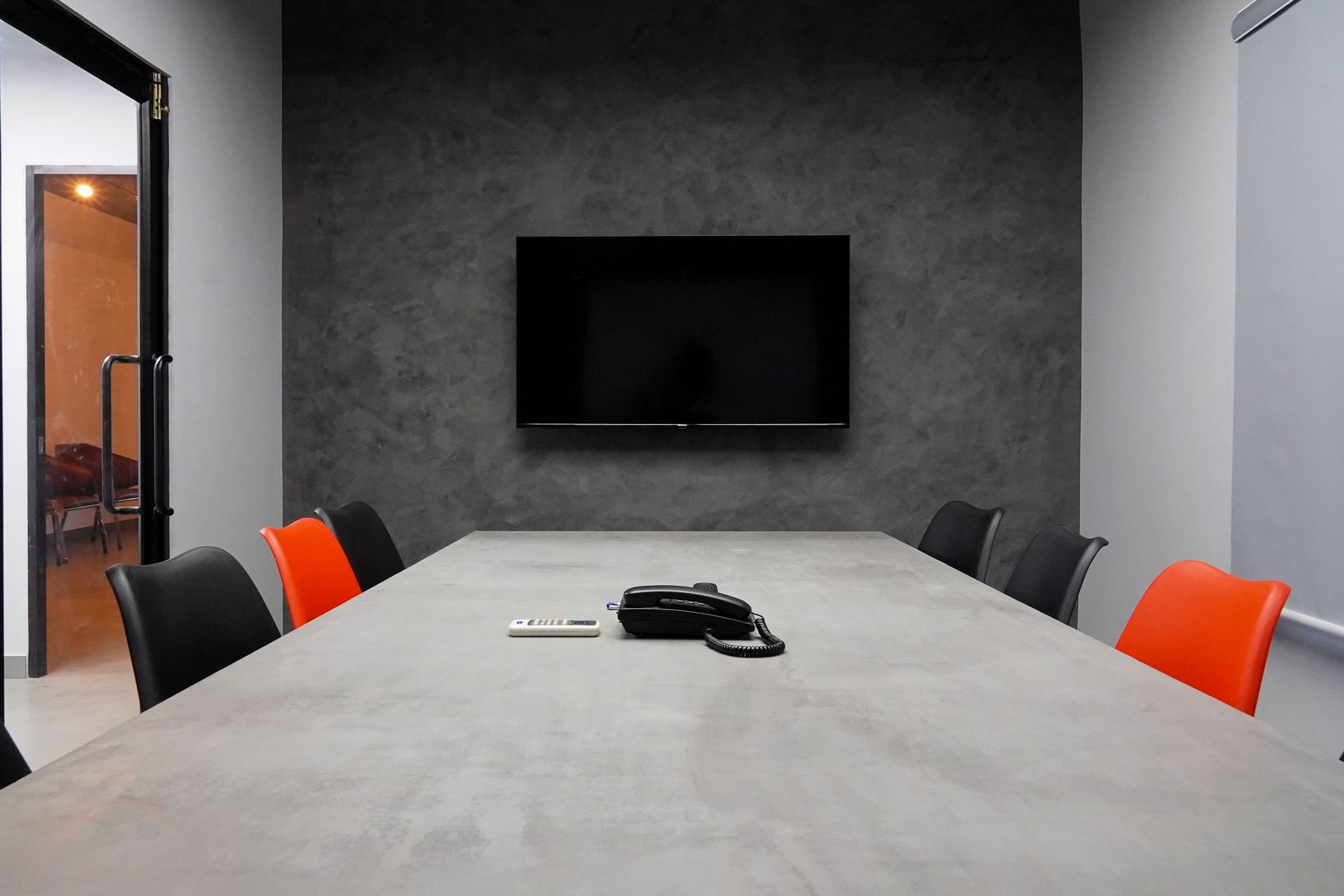
What Proper Commercial Display Installation Includes
The installation process begins with measuring actual viewing distances and angles in your space. For a restaurant with booth seating along one wall and high-top tables along another, this means calculating different mounting heights so screens remain visible without forcing patrons to crane their necks. Commercial-grade mounting brackets attach to wall studs or reinforced backing, and cables route through walls or surface-mounted raceways that meet local electrical codes in Smyrna.
After installation completes, you see screens mounted flush against walls with no visible cables draping down to outlets or cable boxes. Each display connects to its input source through concealed wiring, and power connections terminate at proper electrical boxes rather than exposed power strips. In multi-screen setups common in sports bars, you switch between cable channels or streaming inputs without untangling cords behind each TV.
City Home Theater manages the complete installation sequence, including relocating existing electrical outlets when current positions conflict with optimal screen placement. For businesses upgrading from older CRT-style TVs, this often requires new mounting hardware and updated cable infrastructure to support HDMI connections and modern display weights.
Common Questions About This Service
Businesses in Smyrna frequently ask about multi-screen installations before committing to commercial display projects.
What determines where each TV mounts in a multi-screen installation?
Wall structure, viewing angles from seating areas, and cable routing paths determine placement. In sports bars, screens often mount in corners or along walls with direct sightlines from bar seating, while restaurants balance screen visibility with dining ambiance.
How do installers conceal cables in finished commercial spaces?
Cables route through walls when possible, using existing chase paths or creating new pathways that terminate at code-compliant junction boxes. Surface-mounted raceways handle situations where in-wall routing conflicts with structural elements, maintaining a clean appearance while meeting electrical codes.
Why do some commercial displays require reinforced mounting?
Larger screens weighing over fifty pounds generate leverage forces that exceed standard drywall anchor capacity. Installers locate wall studs or install backing plates to distribute weight across structural members rather than relying on hollow wall anchors.
What happens if a business wants to add more screens later?
Initial cable infrastructure planning allows for expansion by installing extra conduit runs or junction boxes during the first installation. This avoids opening finished walls again when adding displays to adjacent areas.
When should businesses schedule installations to minimize disruption?
Off-hours or closed days work best for restaurants and bars, while offices typically schedule around conference room availability. Installations in Smyrna often occur on Sundays or early mornings before business hours begin.
City Home Theater works with commercial clients throughout Smyrna who need reliable display installations that support daily business operations. Request a consultation to review your specific screen quantity and layout requirements.